
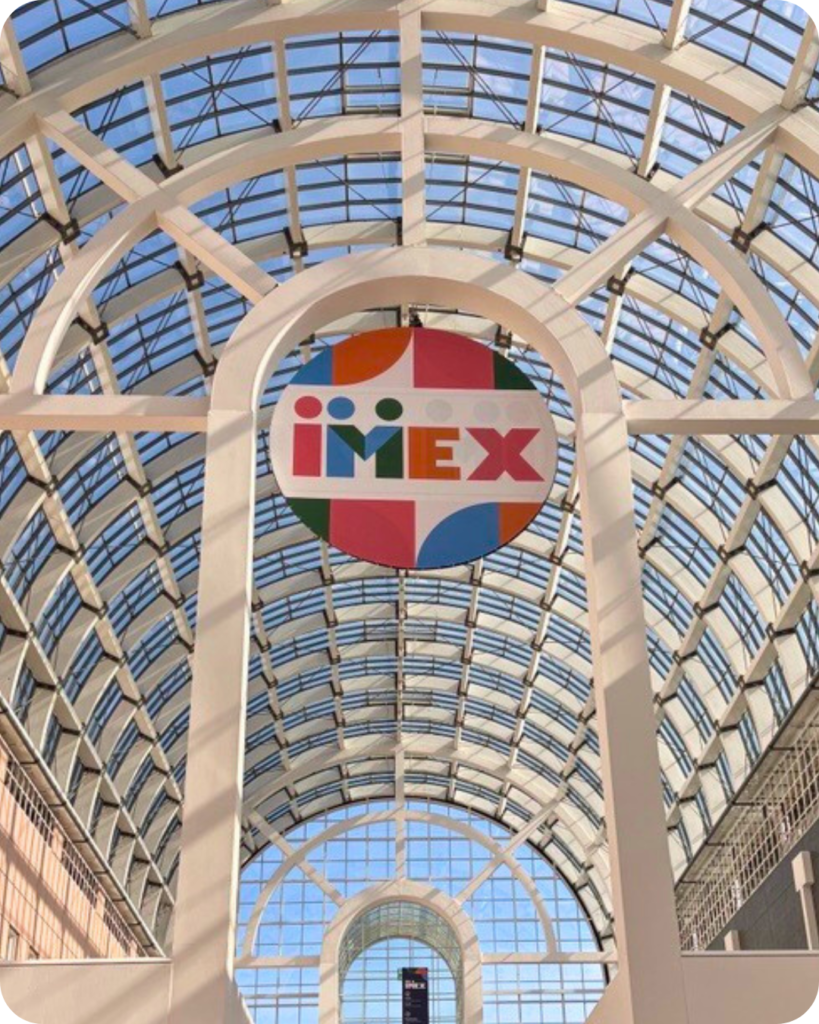
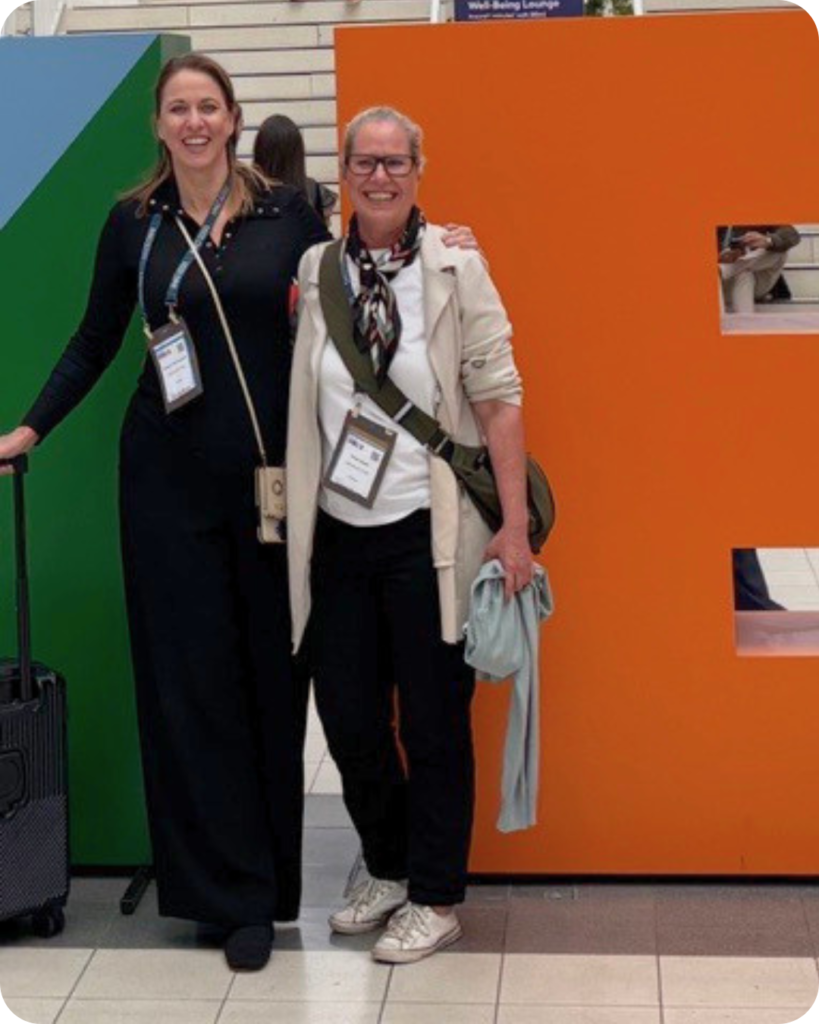
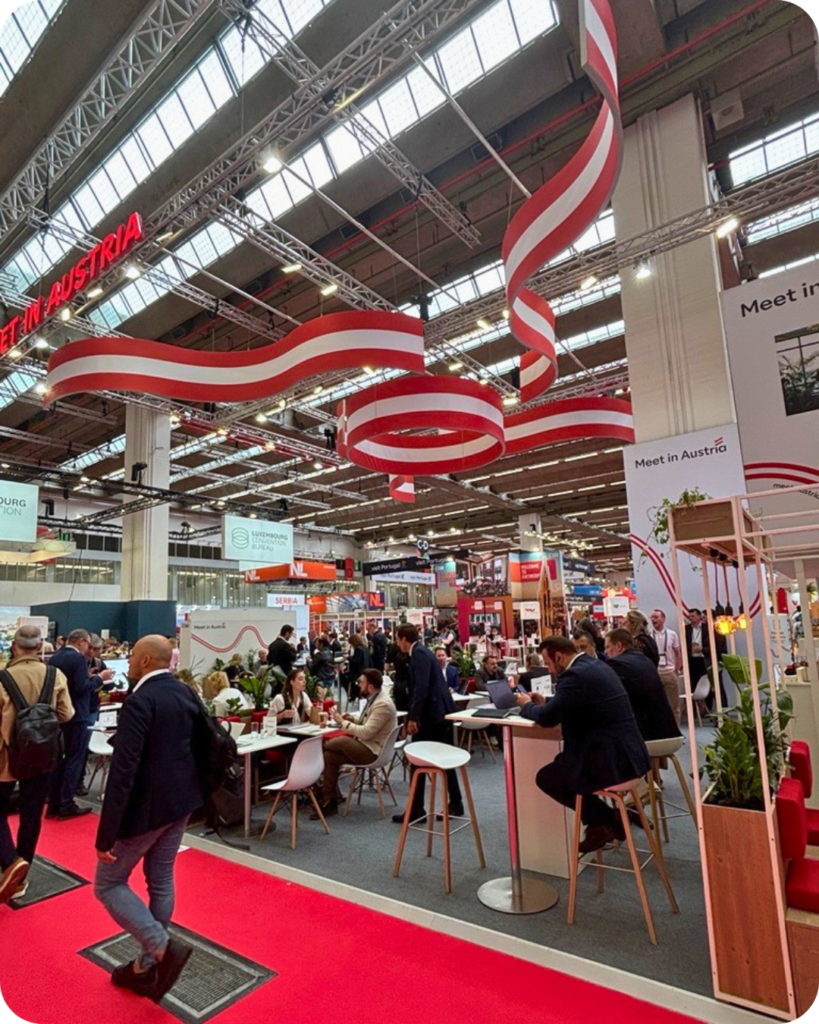
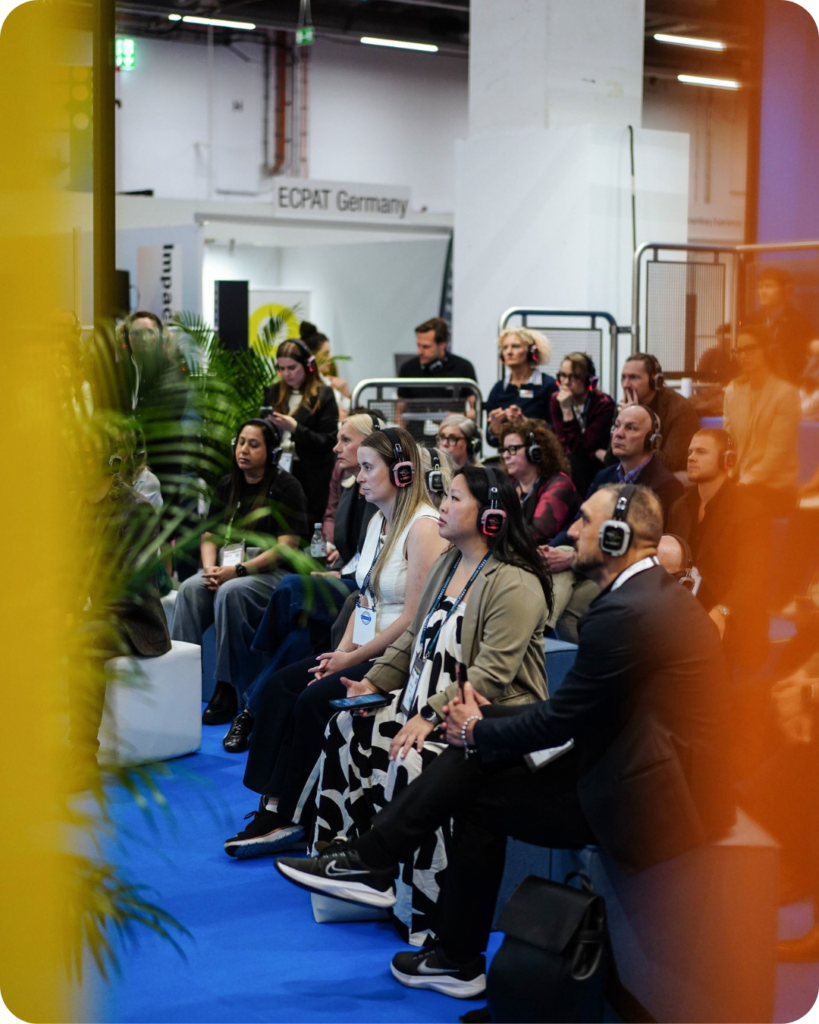
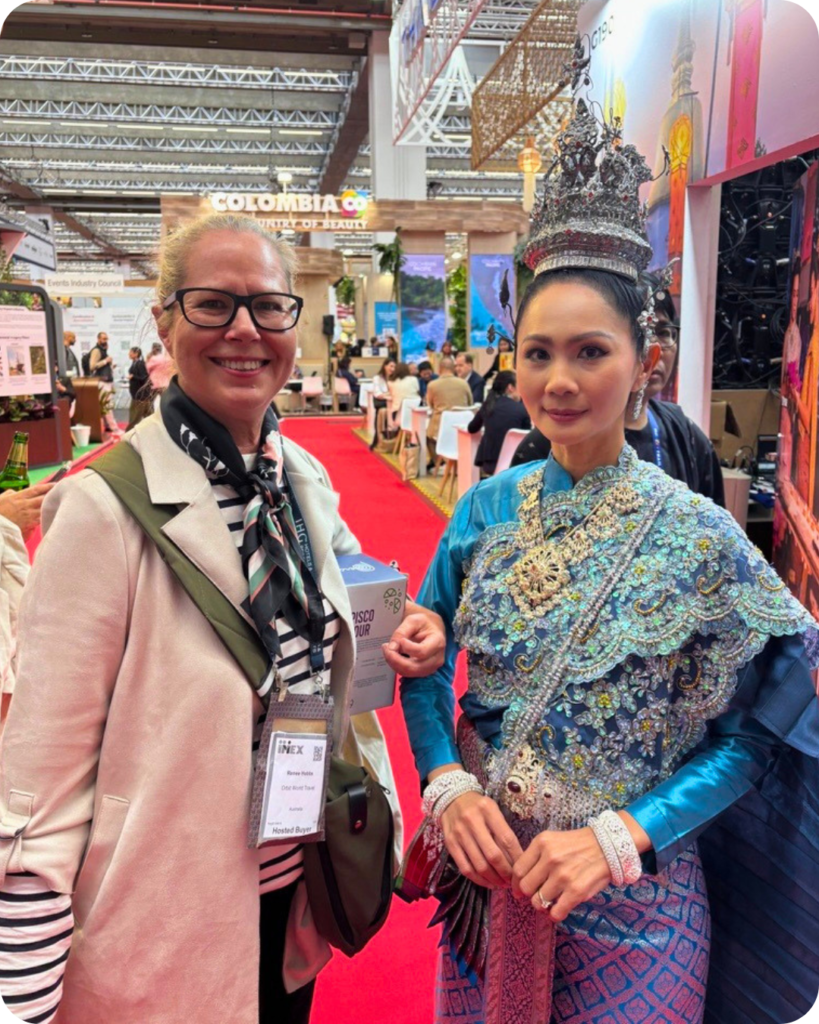
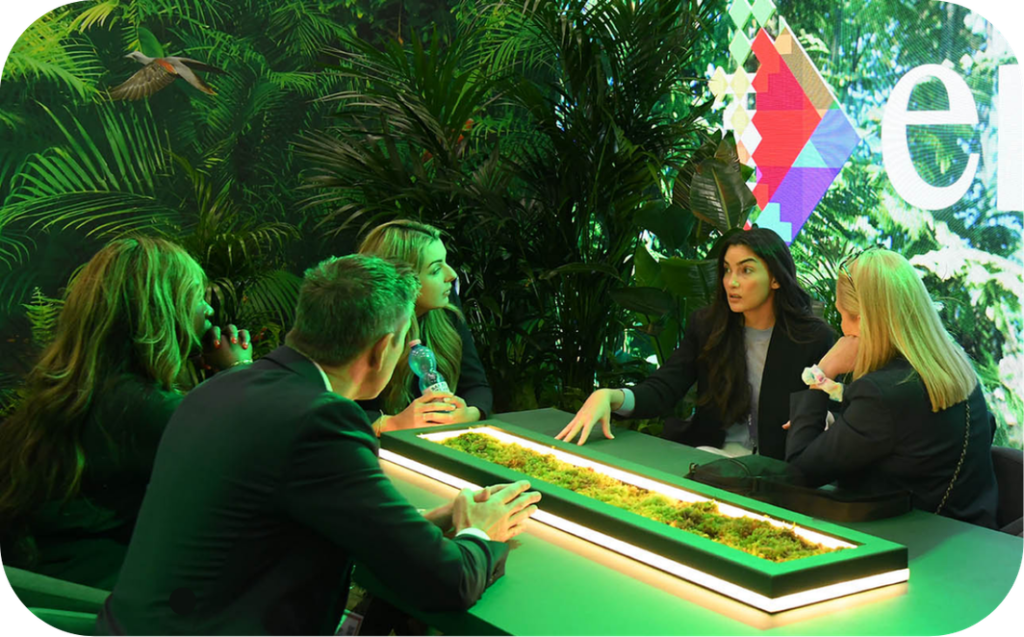
Two members of Orbit World Travel’s Groups and Events team – Ros Chillingworth and Renee Hobbs – recently travelled to IMEX Frankfurt, joining event professionals from around the world to explore the destinations, technology and ideas shaping the future of business events.
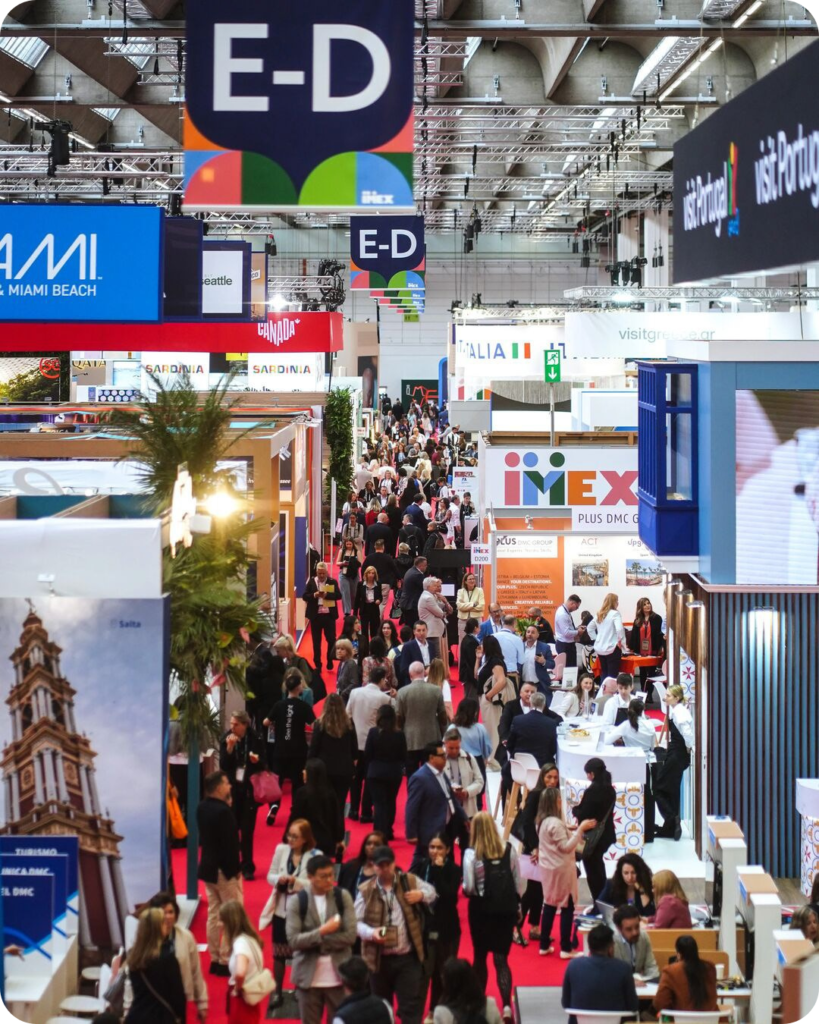
What happens when 13,515 event professionals, 4,739 buyers from 94 countries and 2,900 exhibiting companies come together in Frankfurt?
Over three days, they hold 73,000 meetings, including 63,500 one-to-one conversations.
The scale of IMEX Frankfurt 2026 was impressive, but the most valuable insights for our Groups and Events team were not about size.
They were about intention.
Across conversations with destinations, venues, suppliers and event specialists, one message continued to surface: bringing people together is becoming more valuable, but simply gathering them in the same place is no longer enough.
Organisations are looking for events that create genuine connection, support clear business objectives and deliver an experience worth leaving home for.
Here are the trends our team believes will have the greatest impact on conferences, incentive programmes, corporate events and group travel.
At a time when AI-generated content and virtual meetings are part of everyday business, real-world interaction is gaining value.
IMEX recorded 73,000 meetings across three days, an increase of 8 per cent on the previous year. It was a powerful demonstration that relationships, trust and business opportunities are still built through conversations between real people.
For organisations, this does not necessarily mean hosting more events. It means making better use of the time people spend together.
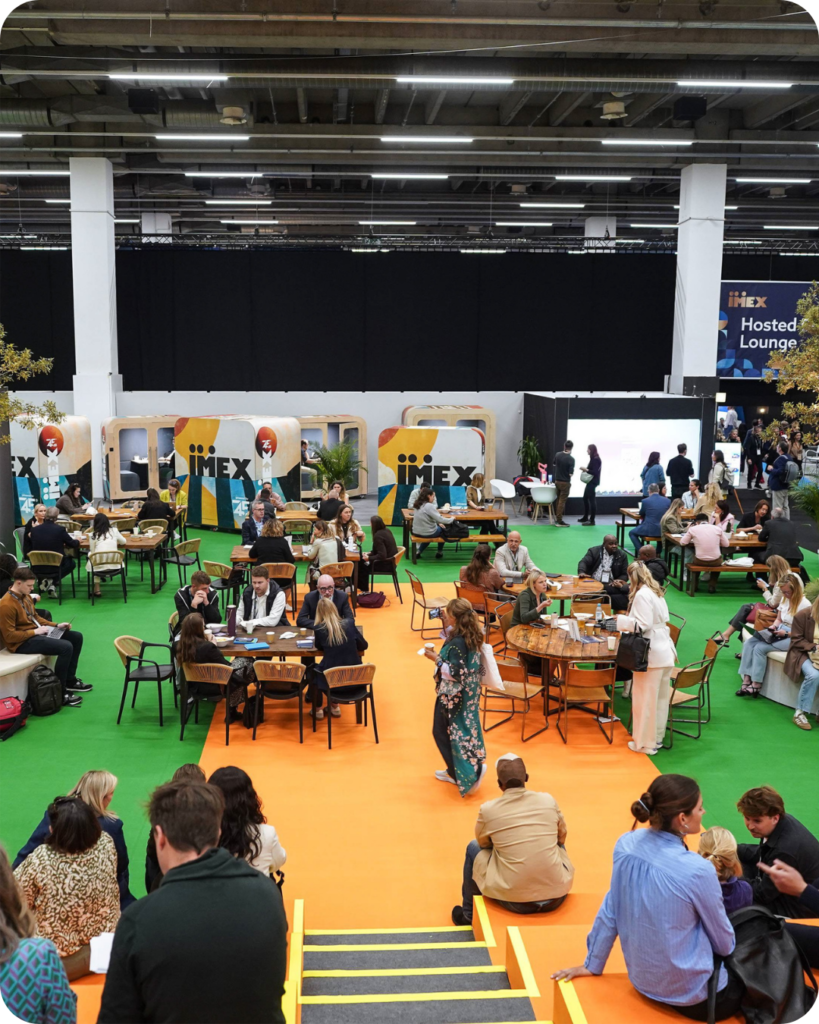
Shared meals, small-group discussions, site visits and unstructured time between sessions can create stronger connections than an agenda packed from morning to night. These are often the moments when honest conversations happen, ideas develop and relationships move forward.
Industry research presented at IMEX also showed that smaller, more focused events are gaining ground, with formats for fewer than 200 participants growing fastest.
For some organisations, a series of targeted leadership retreats, regional client events or smaller incentive groups may now deliver greater value than one large annual gathering.
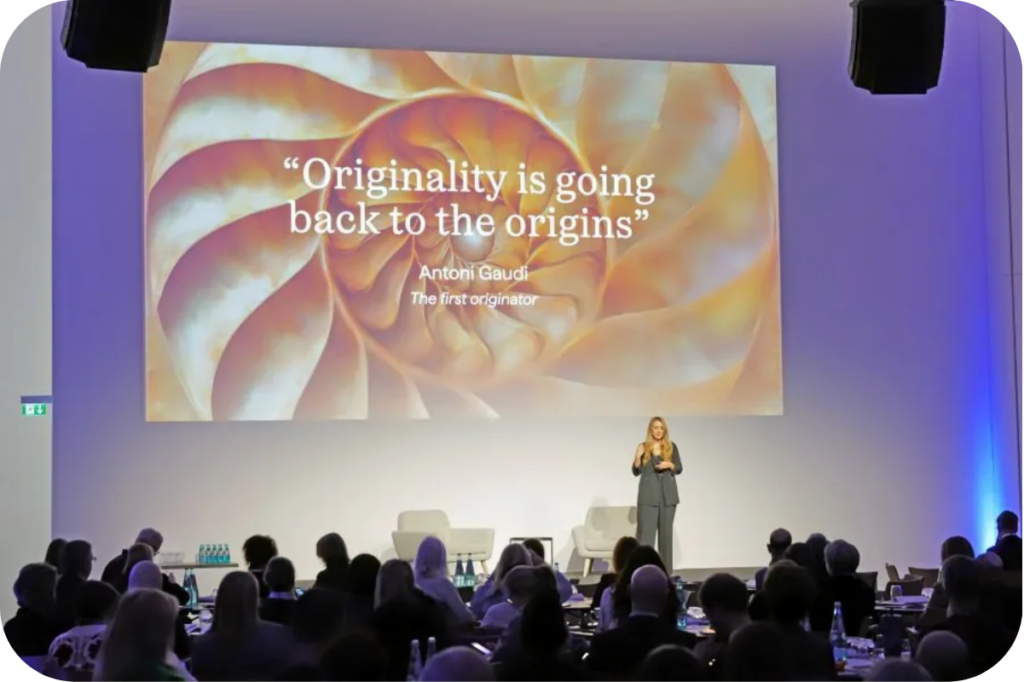
IMEX’s central theme for 2026 was “Design Matters”, reinforcing that event design is not simply about how something looks. It is about what the experience is intended to achieve.
Before choosing the destination, venue or entertainment, organisations need to answer a more important question:
What should people think, feel or do differently as a result of attending?
The answer might be to strengthen relationships with key clients, align a leadership team, improve product knowledge, recognise high performers or build trust with suppliers.
That objective should influence every decision that follows.
This is especially important as event budgets face greater scrutiny. According to the IMEX trends and research report, 90 per cent of event programmes are facing increased pressure to demonstrate their value, yet only 28 per cent have a robust measurement framework. Almost 30 per cent have no key performance indicators in place.
Registrations, attendance and satisfaction scores only tell part of the story. Stronger measures might include the quality of new business conversations, knowledge retained, actions taken after the event, employee pride or changes in behaviour.
The most effective time to decide how an event will be measured is before it is designed, not after it has finished.
One of the most fascinating insights from Frankfurt was how quickly delegates form an opinion about an event.
Research shared during IMEX’s technology sessions suggested that attendees can decide whether an event feels valuable before the first coffee break.
Other findings presented during the Designing for human needs education track showed that attention can begin to drop after approximately 20 minutes, with boredom setting in around the 26th minute of a 30-minute session.
For most of the past decade, education and content ranked as the most important factors in meeting success. In 2025 and 2026, they dropped to third place, behind the venue and environment, and human connection.
This does not mean the content matters less. It means people need the right conditions to absorb it.
Shorter presentations, varied formats, movement, meaningful breaks and opportunities for discussion can help maintain attention. Quiet spaces, flexible seating, clear dietary information and advance communication about noise, lighting or accessibility requirements can also make events work better for a much broader range of attendees.
Thoughtful design does not always require a larger budget. Sometimes the most effective improvement is simply giving people more breathing room.
AI was part of almost every technology conversation at IMEX.
Research presented at the event found that 75 per cent of planners are now using AI during the sourcing process. Across the event lifecycle, it can help compare options, prepare proposals, summarise sessions, personalise recommendations, match attendees and provide real-time translation, captions and transcripts.
Used well, this technology can improve accessibility, save time and help organisers make better-informed decisions.
However, the strongest message was that capability does not automatically equal performance.
AI cannot read the mood in a room, negotiate a sensitive supplier issue or make a rapid judgement during an unexpected disruption. It also cannot replace the destination knowledge and human relationships required to determine whether a venue or experience is genuinely right for a particular group.
For clients, the best event technology should feel almost invisible. It should remove friction and improve the experience, without becoming the experience.
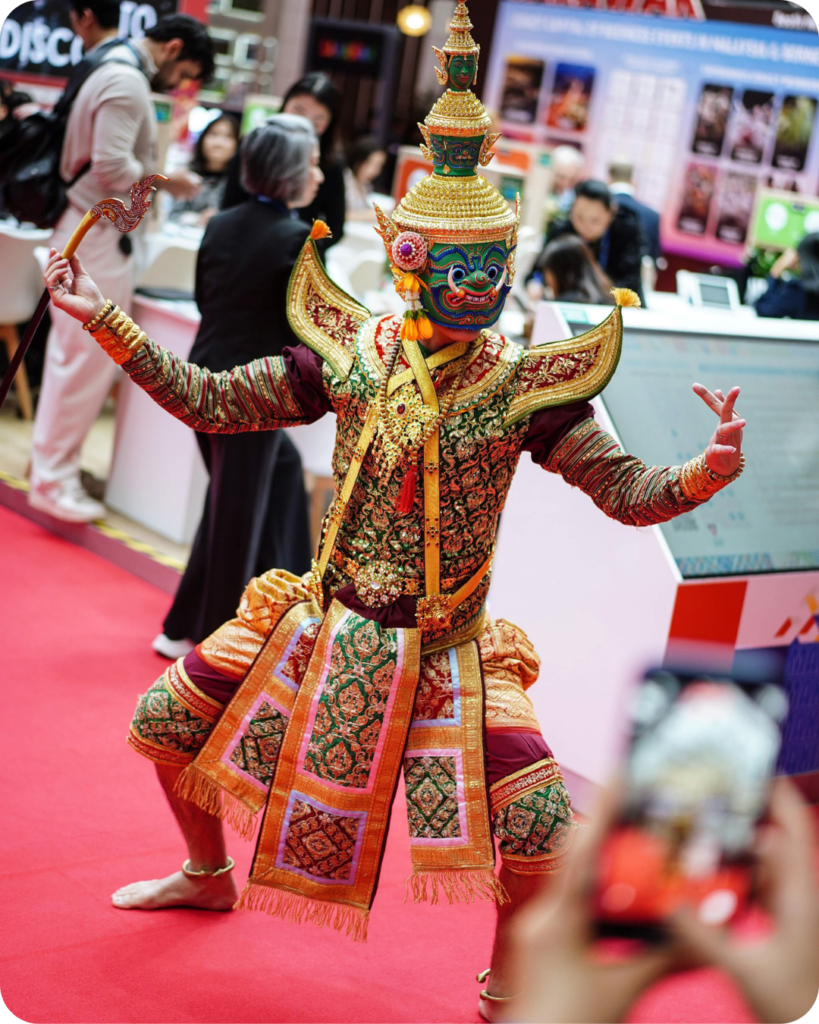
Our team saw growing demand for destinations that provide a genuine connection to local culture, rather than simply a hotel and conference room in a different city.
Secondary and emerging destinations are also attracting attention. They can offer distinctive venues and experiences, often without the congestion and competition associated with major metropolitan centres.
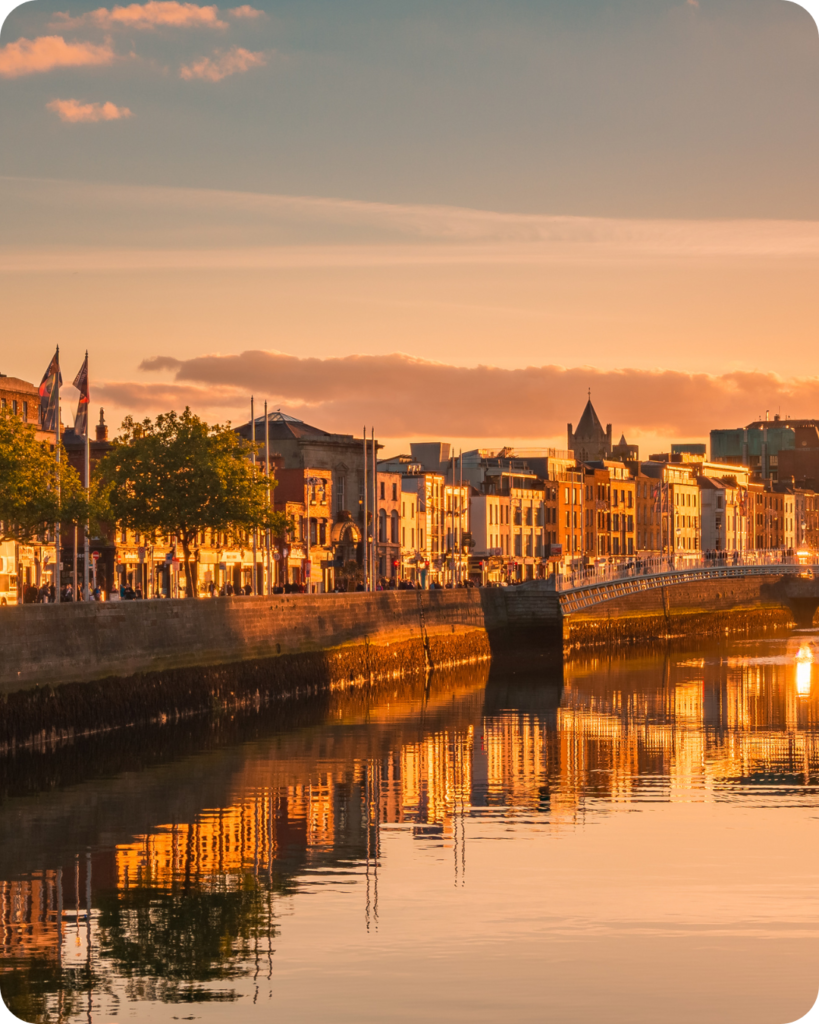
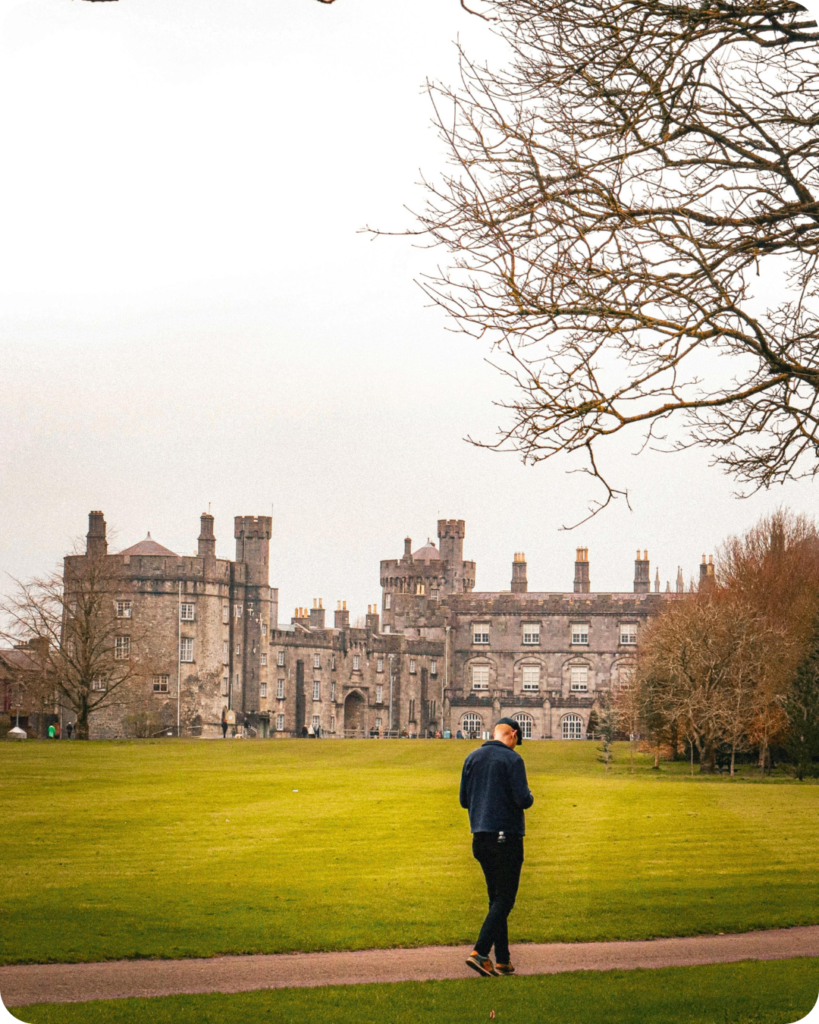
Ireland was one of the destinations that stood out in Frankfurt. Its appeal extends from executive retreats in country estates and historic castles to large conferences in Dublin, Cork and Galway.
Corporate groups can incorporate private farm dining, visits to artisan producers, coastal oyster experiences, whiskey tastings, Gaelic sports or evenings built around local music and storytelling. These experiences give delegates a stronger sense of place while supporting local producers and communities.
Our team’s conversations also pointed to renewed interest in China, particularly for Australian organisations with regional operations, manufacturing relationships or supplier networks.
A conference or incentive programme can be combined with innovation tours, high-speed rail journeys, cultural experiences or carefully arranged manufacturing visits. For leadership teams, procurement professionals and clients, a factory or supply chain visit can strengthen relationships, improve transparency and provide a firsthand view of production and innovation.
The destination decision is therefore becoming more strategic. The question is no longer simply, “Where should we go?” It is, “What can this destination help us achieve?”

Sustainability is increasingly expected by attendees, clients and internal stakeholders, but the conversation in Frankfurt extended beyond carbon reporting.
We explored circularity, biodiversity, inclusion, social legacy and the idea that events should leave destinations and communities better off.
For clients, this means building sustainability into the initial brief.
That may include selecting venues with measurable environmental practices, reducing unnecessary transport, choosing seasonal and locally sourced menus, reusing event materials, managing food waste or incorporating activities that support local communities.
These choices can also deliver commercial benefits. Reusable materials, local suppliers and better waste management may reduce costs as well as environmental impact.
The key is to move beyond broad sustainability statements and identify practical actions that can be measured and reported.
While engagement has overtaken cost as the leading measure of event success, budget pressure remains significant.
Research presented at IMEX found that 72 per cent of event planners expect costs to increase by up to 20 per cent during 2026, while 40 per cent say remaining within budget is their greatest concern.
At the same time, delayed decision-making is creating further risk. Venues are being asked to hold dates for longer, preferred suppliers are becoming unavailable and air and accommodation options can narrow quickly.
For Australian organisations planning offshore events, the lead time is particularly important. Earlier briefing provides more opportunity to compare destinations, negotiate with suppliers, secure suitable flight options and determine where the budget will have the greatest impact.
It also creates time to design the event around its purpose, rather than fitting the programme around what remains available.
The strongest takeaway from IMEX Frankfurt was not the newest venue, the latest technology or the most elaborate activation.
It was that successful events are becoming more intentional.
They begin with a clear business objective, consider how people connect and absorb information, use technology with purpose and select destinations that contribute something meaningful to the experience.
Our Groups and Events team returned from Frankfurt with new destination ideas, stronger global supplier connections and practical insights to help our clients make more informed decisions.
Whether you are planning an executive retreat, conference, incentive programme or complex group movement, involving an experienced events team early can help you manage risk, make your budget work harder and create an experience people remember for the right reasons.
Start planning your next event with Orbit Groups and Events.