
Welcome to this week’s Orbit Travel Brief.
Your snapshot of the latest travel advisories, airline updates and key developments across the travel industry, helping you stay informed and in control of your travel programme.

A magnitude 7.8 earthquake struck near Ende in East Nusa Tenggara on 15 August, causing fatalities, infrastructure damage and disruption to local services.
Smartraveller advises Australians to avoid earthquake-affected areas. Localised damage has also been reported in Labuan Bajo on Flores, with travellers advised to check arrangements before departure and follow local authorities if already in the region.
Catania Airport has reopened sectors C1 and B3 after the volcanic activity alert for Mount Etna was downgraded from red to orange. While airport operations have resumed, travellers should continue to check their flight status before travelling to the airport as schedules may be affected by changing volcanic conditions.
A magnitude 7.4 earthquake struck near San José del Palmar in Colombia’s Chocó Department on 10 August, prompting the Colombian Government to declare a state of national disaster.
Most airports have resumed operations, although flight delays, road disruption and landslides continue in some affected areas. Travellers should check flight and ground transport arrangements and follow advice from local authorities.
The Federal Government has agreed to an 18-month transition period for airlines to implement changes to Australia’s Passenger Movement Charge (PMC), following consultation with the travel industry.
The PMC is still scheduled to increase from $70 to $80 for passengers departing Australia from 1 January 2027.
Under the proposed changes, the charge will be determined by the passenger’s departure date rather than the date their ticket was purchased. Airlines will now have from 1 January 2027 until 30 June 2028 to transition their systems and processes.
What this means for travel programmes: The $80 PMC will apply to international departures from 1 January 2027, including eligible travel booked before that date. The extended transition period gives airlines additional time to implement the system changes required.

Vietnam Airlines has celebrated 35 years of connecting Australia and Vietnam, reaching 35,000 flights and more than 7.5 million passengers carried across its Australia-Vietnam network.
The airline currently operates services to Sydney, Melbourne and Perth, with ambitions to further expand its Australian network, including Brisbane and Adelaide by 2030, alongside continued investment in its fleet.
From 10 December, Qatar Airways will extend its daily Melbourne-Doha service through to Auckland, adding another daily direct option across the Tasman and greater connectivity through its international network.
From 28 October, Air India will add four seasonal weekly Melbourne-Delhi services, taking the route to 11 direct flights per week and providing greater choice between Australia and India.
Air China will increase Sydney-Beijing services from five flights per week to daily from October 2026, before moving to twice daily during the Chinese New Year peak in January and February.
Qantas is giving its inflight entertainment its biggest overhaul in more than a decade, with a new system set to debut aboard its Airbus A350 Project Sunrise aircraft.
The new experience will feature a smartphone-style touchscreen interface, Bluetooth connectivity across all cabins and an interactive 3D flight map. A new Watch Together feature will also allow up to four passengers to synchronise a movie or show, so everyone can watch at exactly the same time.
The system will make its debut on Qantas’ ultra-long-haul A350s, which will operate non-stop Project Sunrise services to London and New York.
Qatar Airways has partnered with Australian chef Curtis Stone to introduce a new inflight dining menu inspired by his Los Angeles restaurant, Gwen Butcher Shop & Restaurant.
The menu will feature on services from Los Angeles to Doha, with dishes including lobster cocktail, slow-cooked beef short ribs with carrot purée and gremolata, and dulce de leche tart.
Virgin Australia’s Fly Ahead benefit now gives eligible Economy Flex travellers the option to move to an earlier domestic flight on the same day at no extra cost, subject to availability.
It’s a useful addition for business travellers whose meetings finish early or plans change, providing greater flexibility without change fees or a fare difference.
This week is also the final opportunity for Virgin Australia Business Flyer members to earn Double Points on eligible Economy Flex fares booked and flown by 21 August 2026.


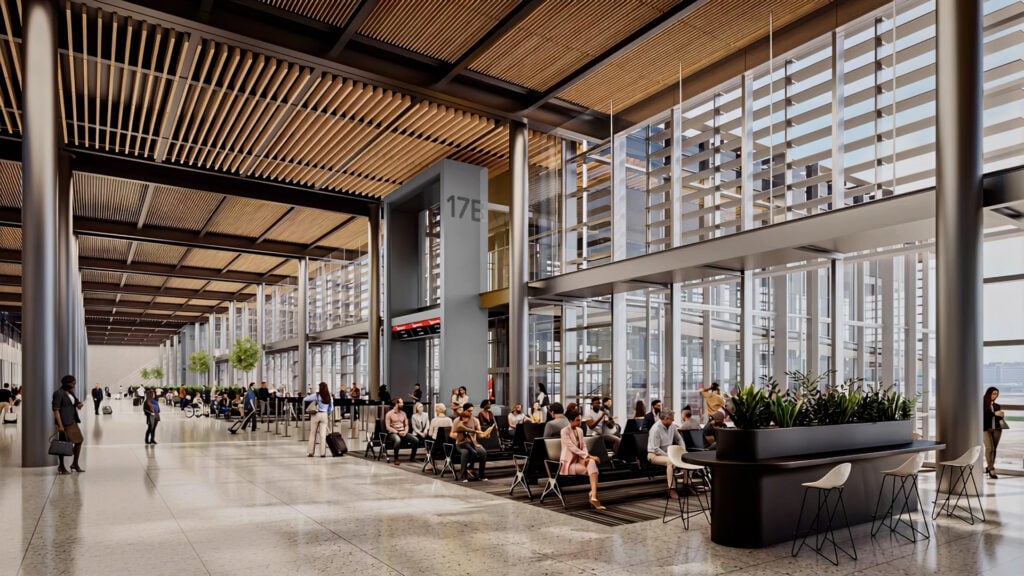
Sydney Airport’s Master Plan 2045 has received Federal Government approval, providing a roadmap for an airport expected to handle more than 72 million passengers a year by 2045.
Among the most interesting proposals is a transformation of Terminals 2 and 3, including up to 12 new ‘swing gates’ capable of supporting both domestic and international flights, potentially creating simpler connections and greater flexibility as the airport grows.
The broader Master Plan also provides for continued investment in terminal capacity, transport connections, passenger facilities and more sustainable airport operations.
What this means for travellers: Sydney’s familiar divide between domestic and international travel could become less pronounced over time. More flexible terminals and gates should give airlines greater operational flexibility while creating simpler connections for passengers as the airport grows.

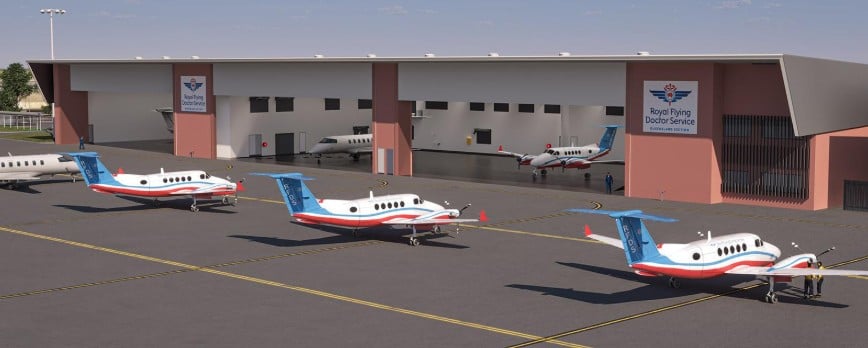
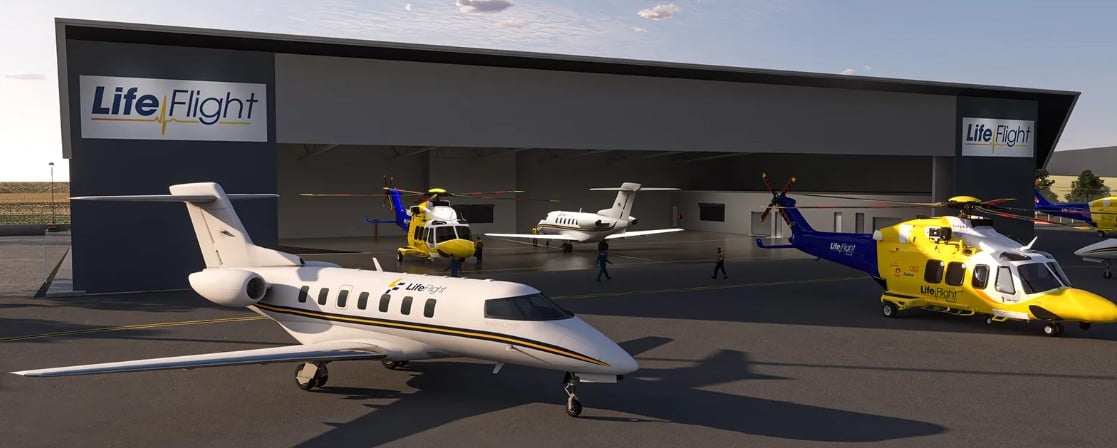
Construction has reached the halfway point on Brisbane Airport’s new Aeromedical Precinct, which will bring the Royal Flying Doctor Service, LifeFlight, Retrieval Services Queensland and Queensland Police aviation operations together in one purpose-built location.
Positioned between the airport’s parallel runways, the precinct will use Brisbane’s 24/7 operations to help connect regional and remote Queensland communities with critical medical care.
The precinct forms part of the airport’s broader Future BNE transformation, which includes more than 150 projects across terminals, aviation infrastructure and the wider airport precinct.
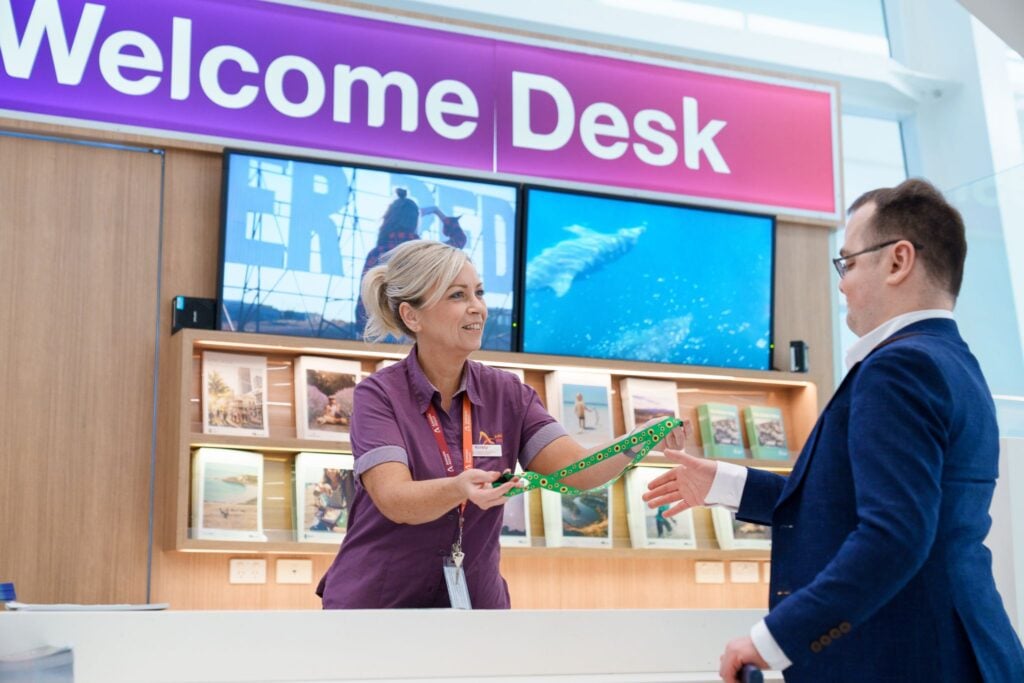
Adelaide Airport has appointed Get Skilled Access to independently review how its accessibility services work in practice.
The review includes physical accessibility audits, mystery shopper testing by people with disability, staff training reviews and consultation with people with lived experience. It builds on existing initiatives including the Sensory Room, Hidden Disabilities Sunflower programme and Try Before You Fly, which allows travellers to familiarise themselves with the airport journey before travelling.


Carnival Corporation has reached its 2030 greenhouse gas emissions intensity target five years ahead of schedule, achieving a 20% reduction against its 2019 baseline and setting a new target of 25% by 2029.
The progress is significant for the world’s largest cruise company. Since 2008, Carnival says it has reduced greenhouse gas emissions intensity by 44%, effectively almost halving emissions associated with each guest sailing.
The cruise group credits more efficient ships and operations, smarter voyage planning, energy-saving technology and increased shore power capability among the measures helping reduce its footprint. Around 74% of Carnival’s fleet is now shore-power capable, allowing ships to switch off their engines while in port where infrastructure is available.
Why it matters: Cruise has a sizeable environmental footprint, making measurable improvements in fuel and energy efficiency is important as the sector continues to grow. Carnival’s results also demonstrate how operational changes, new technology and fleet investment can combine to deliver meaningful reductions at scale.




Whether you’re planning your next trip or reviewing your corporate travel programme, our team is here to help.
1800 067 819